
Introduction
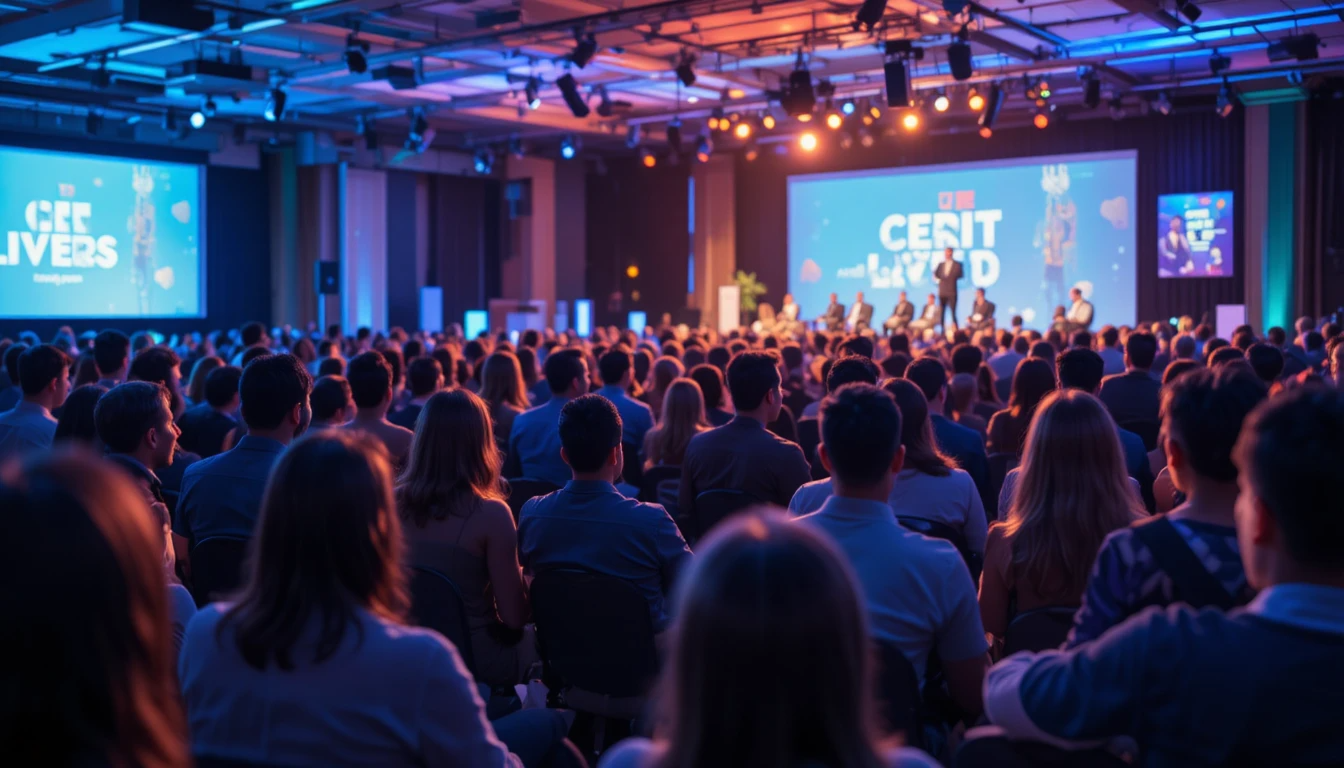
In today’s fast-paced business world, hosting a live event can seem like a daunting task, especially when faced with a seemingly tight timeline. However, with the right strategy in place, it’s entirely possible to turn a two-month schedule into a smashing success. We recently achieved this by selling out a 200-person live event in just 60 days. It wasn’t luck — it was strategic planning and execution. Here’s exactly how we did it and how you can apply these tactics to fill every seat at your next event.
1. Define Your Event Goals Clearly
Before diving into the logistics, it’s crucial to establish what you want to achieve with your event. Are you looking to boost brand awareness, generate leads, or foster networking opportunities? Clarifying your objectives will guide every decision you make, ensuring that your efforts align with your business goals.
2. Know Your Audience
Understanding your target audience is essential to designing an event that resonates with them. Take time to research their interests, pain points, and what type of event format they prefer. By crafting an experience that speaks directly to your audience’s needs, you increase the likelihood of engagement and attendance.
3. Create a Compelling Offering
Once you know what your audience wants, create an event offering that they won’t want to miss. Consider bringing in industry-leading speakers, offering exclusive workshops, or providing valuable takeaways that can’t be found elsewhere. The unique value proposition of your event should be clear and enticing.
4. Leverage Strategic Partnerships
Building partnerships with other brands and influencers in your industry can significantly boost your event’s visibility. Look for partners who share your target audience and work together to cross-promote the event. These collaborations can expand your reach exponentially and drive more ticket sales.
5. Implement a Cunning Marketing Campaign
A well-thought-out marketing strategy is crucial for generating buzz and driving ticket sales. Utilize multiple channels — social media, email marketing, content marketing, and paid ads — to reach your audience. Personalize your messaging to speak directly to the value the event provides, and create urgency with early-bird pricing and limited-time offers.
6. Boost Engagement with Technology
Incorporate technology to keep potential attendees engaged and excited about your event. Host live webinars, create a dedicated event hashtag for social media interactions, or offer a mobile app to streamline the attendee experience. By keeping communication channels open and interactive, you can maintain interest from announcement to the event date.
7. Monitor and Adjust Tactics
Throughout the pre-event phase, continuously monitor your campaigns’ performance. Use analytics to gauge what’s working and what isn’t, and be prepared to pivot your strategy as needed. Flexibility is key to ensuring you remain on track to sell out your event.
Conclusion
Planning and executing a sold-out live event in just 60 days is not only possible but can be incredibly rewarding for your brand. By setting clear goals, knowing your audience, and leveraging strategic partnerships, you can create an event that engages and excites. Apply these strategies, stay flexible, and watch as you fill every seat at your next live event.